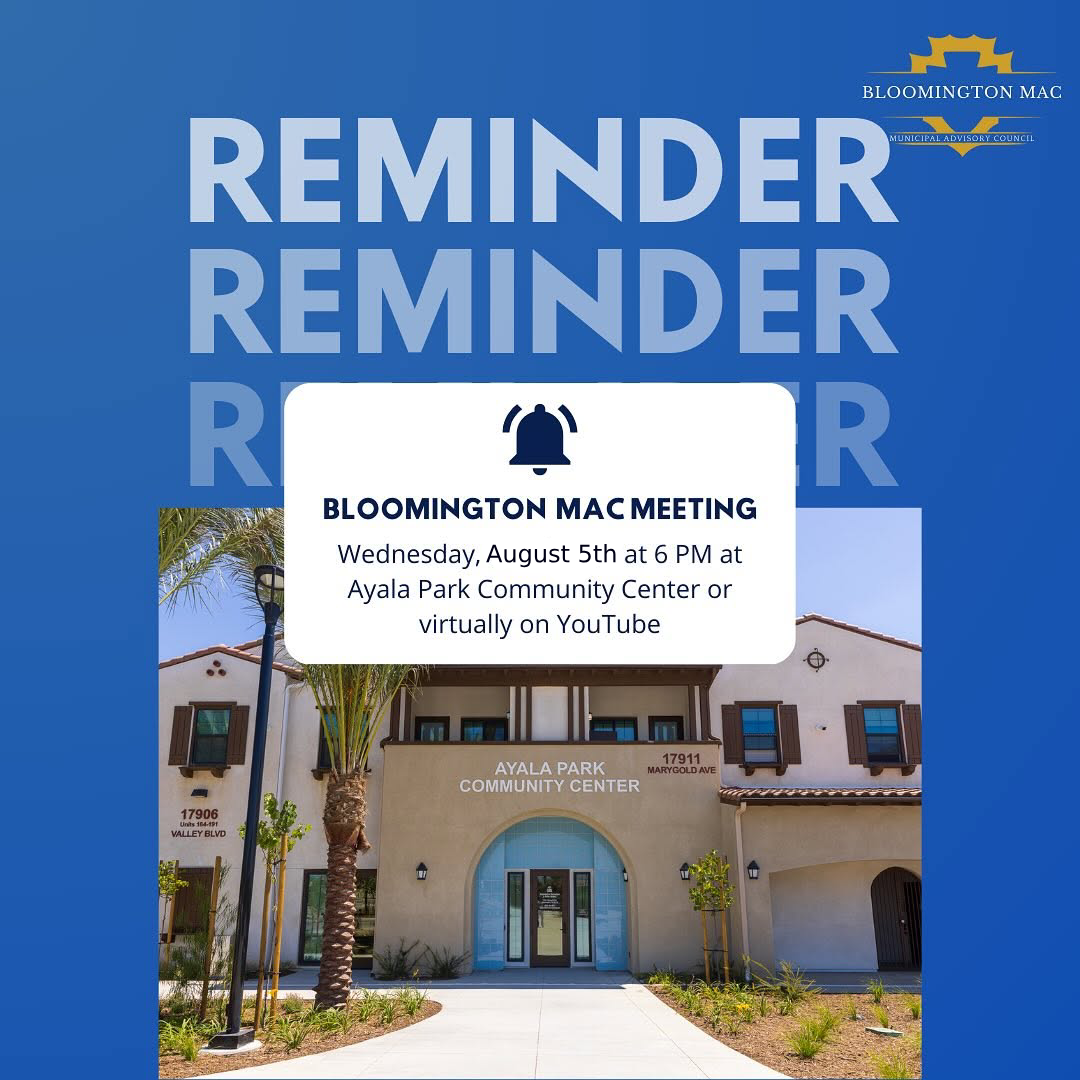
Bloomington is an unincorporated community in San Bernardino County, meaning its land use, public services, and long-range planning are managed through a multi-layered system of county boards, staff, the Municipal Advisory Council (MAC), special districts, and state or federal programs. The official framing of the community's priorities within this structure is captured in the county’s Bloomington Community Action Guide (part of the Countywide Plan). Built on resident workshops from 2015–2016, this document—alongside MAC agendas and staff reports—outlines the values, aspirations, and action areas recognized by the county government.
Conversations around incorporation look beyond this current framework to ask whether forming an independent city would improve local accountability and alignment. This transition involves a mix of technical hurdles and emotional adjustments:
Ultimately, incorporation is not a distant template for "becoming a city," nor is it a minor civic project. It is a fundamental shift in local self-determination. It decides who sits at the table when tradeoffs are debated, how corridors grow, how parks and roads are prioritized, and how public safety contracts evolve. At its core, incorporation is about establishing a local council, a local budget, and a clear chain of responsibility—ensuring that the issues neighbors care about most are handled out in the public, with accessible agendas in both Spanish and English.
Read More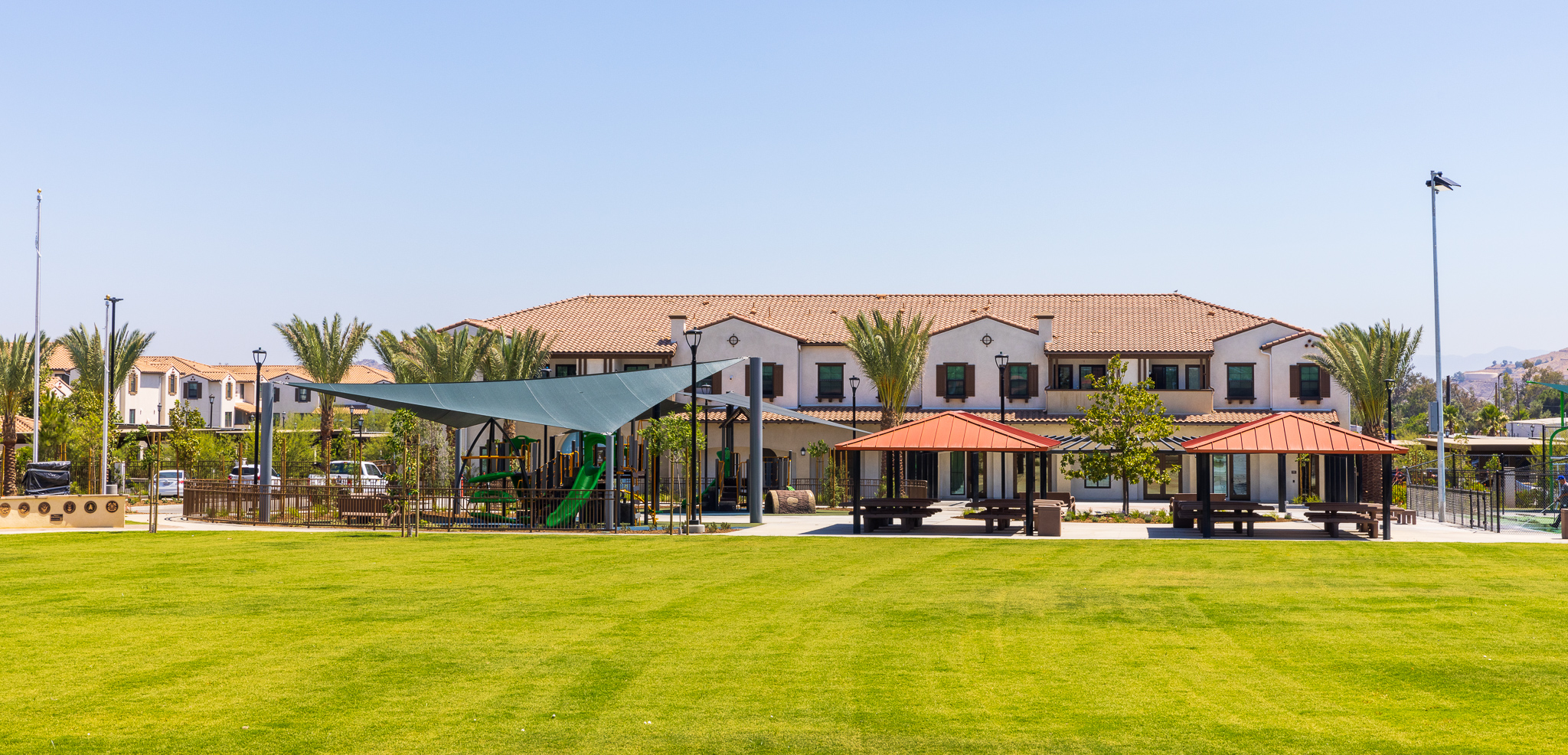
Local incorporation can align planning, permitting, and corridor investment with Bloomington’s small businesses and job growth—so opportunity stays rooted in the community.
Read the explainer
Parks, roads, water reliability, and public safety priorities should be decided through public budgets and agendas you can follow—not only through layers you cannot reach.
Read the explainer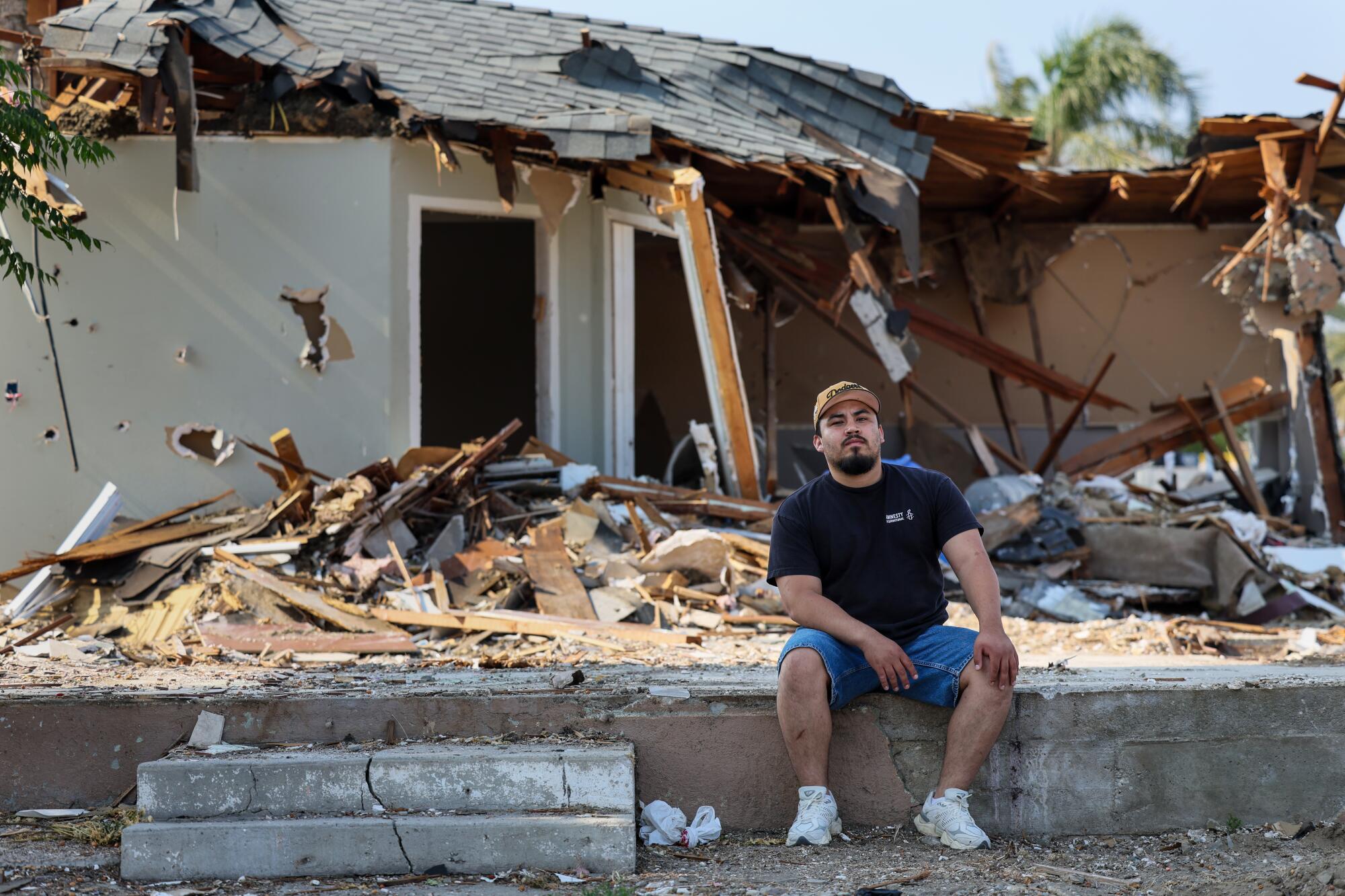
A city council elected by Bloomington voters puts land-use, housing, and service tradeoffs on the record in your language—Spanish and English outreach should match how neighbors actually participate.
FAQ & participationWe ARE NOT affiliated with any official government group.
We are neighbors organizing civic education around Bloomington incorporation: steering committee volunteers, MAC participants, and partner organizations (schools, faith communities, small businesses) who want transparent, fact-based public conversation.
How decisions get made: published county staff reports and MAC agendas define the official process; our role is to summarize, translate, and help residents navigate hearings, the Registrar of Voters, and the ballot. When we take a position, we label it. When something is still under study, we say so.
For the county’s own long-range community narrative—including the Bloomington Community Action Guide from public workshops—see the Countywide Plan · Bloomington page (official San Bernardino County site).
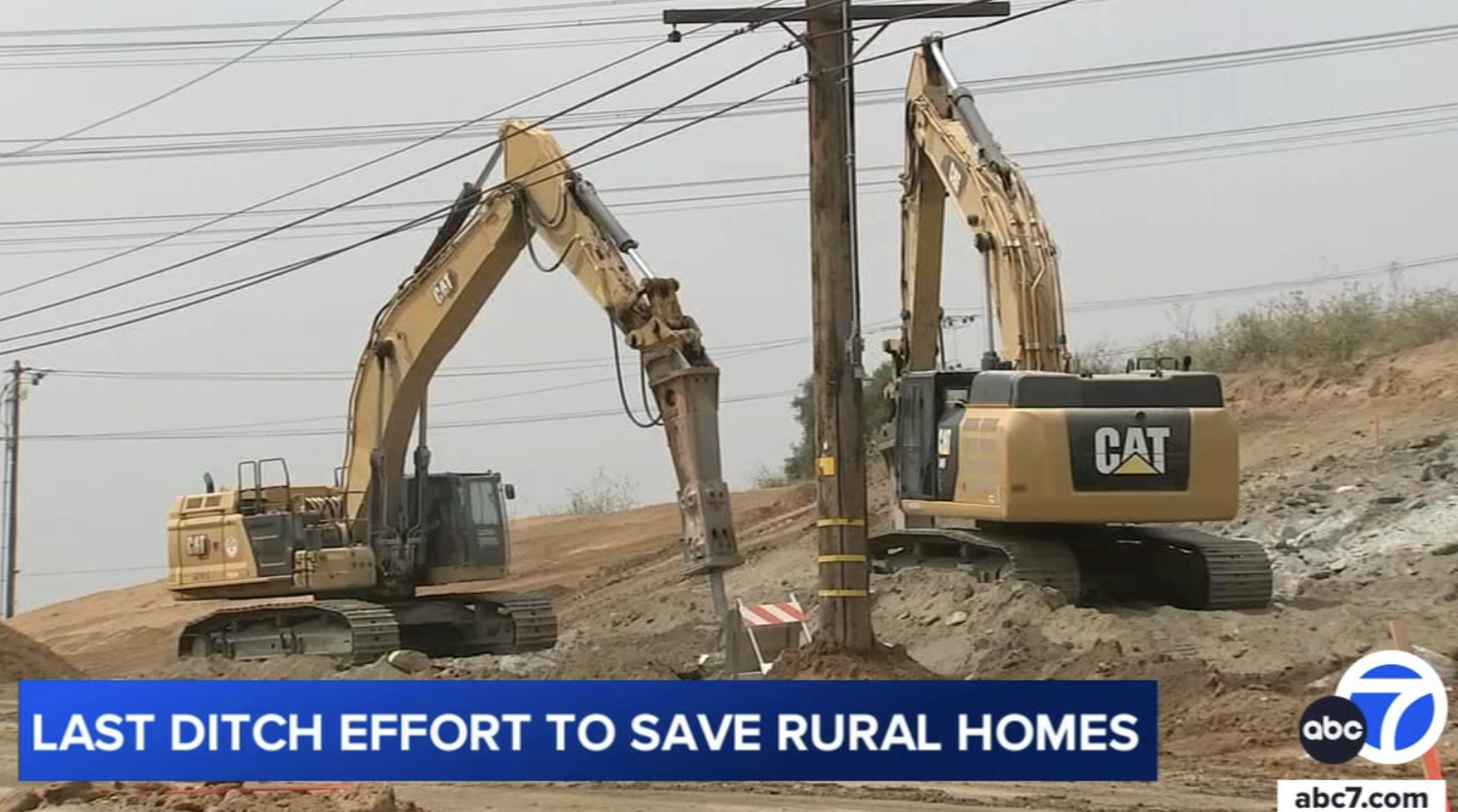
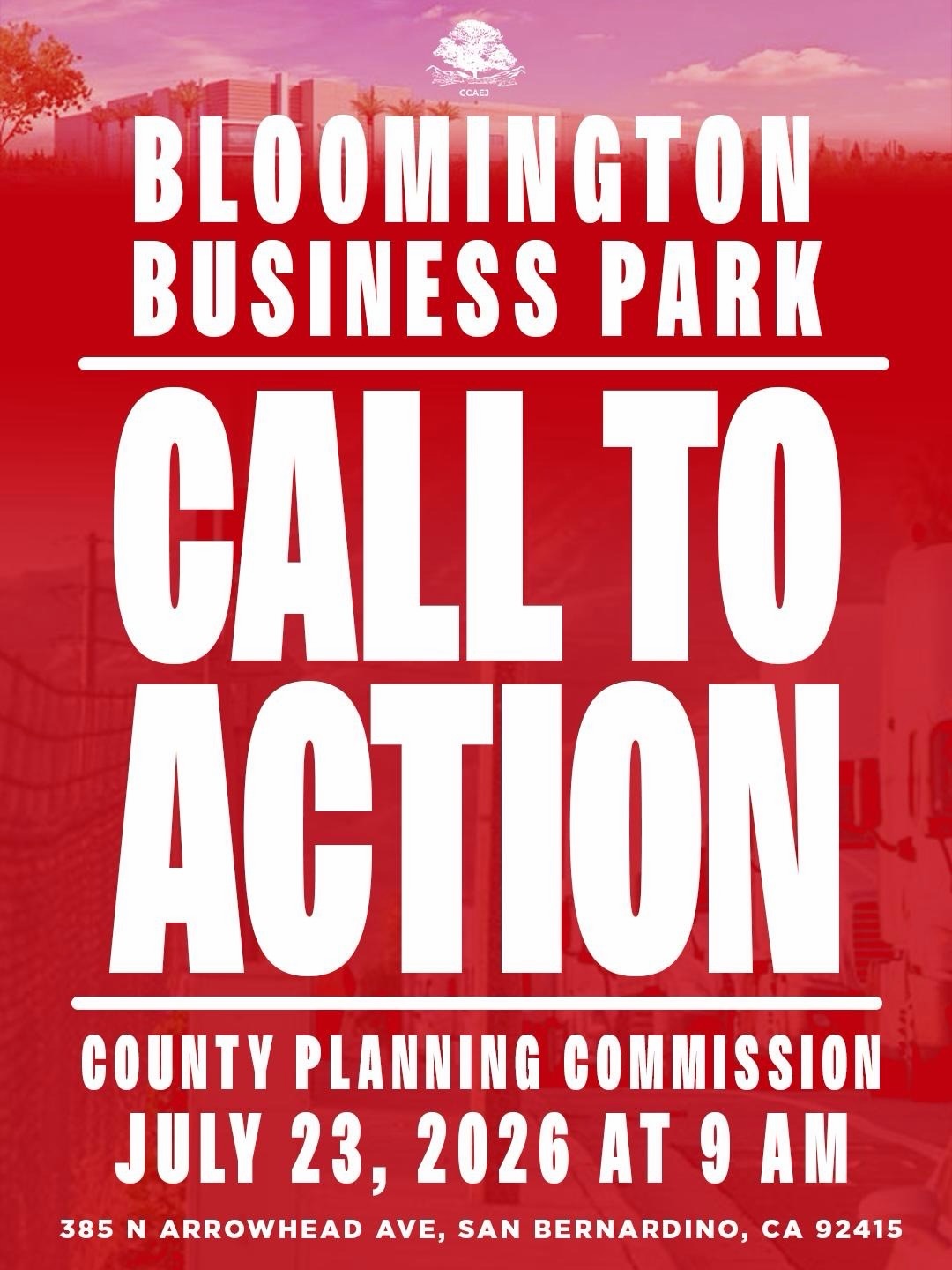
Residents in one San Bernardino County rural community are protesting the development of an industrial business park that is forcing them to be evicted from their homes.
View Article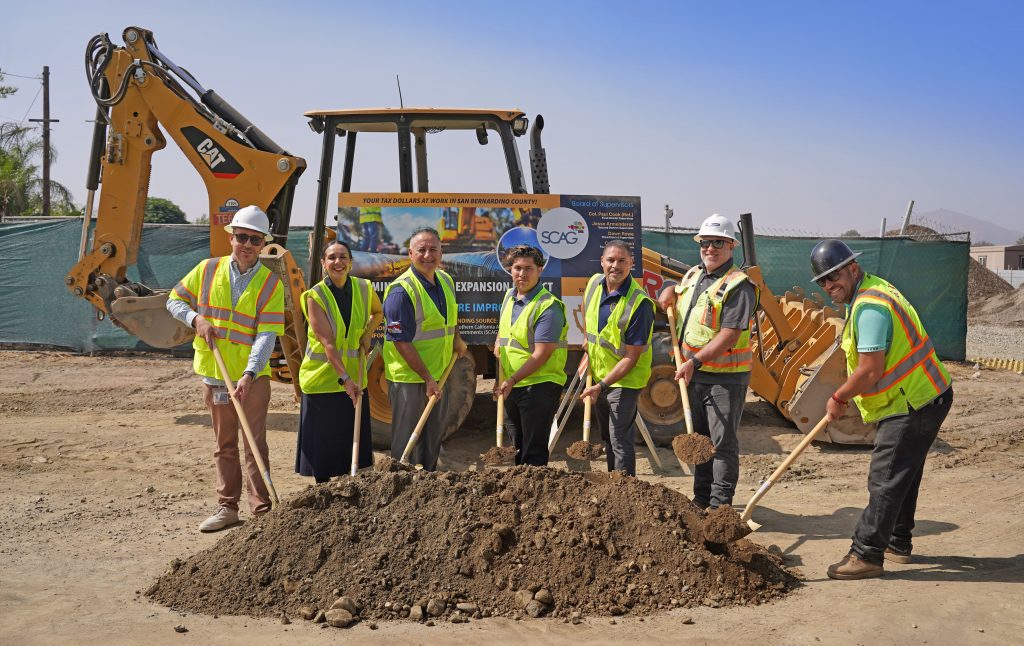
For years, many Bloomington residents have relied on septic systems to serve their homes and properties. Now, a major infrastructure investment is paving the way for a cleaner, healthier and more connected future.
View ArticleNo. This is community-led advocacy and education. Official filings, agendas, and ballot information always come from San Bernardino County departments and the Registrar of Voters.
Generally no—school district boundaries are a separate legal layer. Cities and districts coordinate on planning, safe routes, and facilities. Confirm with your district’s board materials.
Arrive early, sign a speaker card if required, and reference the agenda item number. Keep comments on-topic; personal stories are most effective when tied to a policy choice the body can make.
Revenue neutrality, service annexation, and feasibility appendices.
County incorporation hubRead who owns which road segment, how Regional Transportation Commission projects layer in, and which requests belong to Public Works versus Caltrans. Link to pavement management PDFs and storm drain master plans.
Explain contract law enforcement, fire mutual aid, and any special assessment districts. Avoid implying instant staffing changes—tie claims to contract dates and budget adoption.
Map special districts, county regional parks, and city-eligible grants. Show how fees and developer obligations already stack up.
Clarify CJUSD (or relevant district) governance versus municipal planning. Safe routes to school and joint-use agreements are typical collaboration points.
Point readers to the retail water provider’s board packets, groundwater sustainability agencies, and consumer confidence reports.
Translate zoning, façade improvement programs, and parking management into merchant timelines. Link to planning counter contacts.
Your privacy is important to us. We only collect the information necessary to keep you updated.
Show your non-monetary support to help organize and coordinate good-faith community outreach.
Add your nameWorkshops, walks with planners, and neighbor briefings. Publish accessibility and translation details.
RSVPSupervisor district, state/federal portals, and MAC comment windows—link to official submission forms.
Open contactsShort written or video stories help humanize policy tradeoffs and show how changes impact real residents.
Share your story